
How to Start a Successful Vending Machine Business?
Starting a successful vending machine business is an exciting venture. Many entrepreneurs are drawn to it for its potential profitability and flexibility. According to industry expert Mark Johnson, “The key to success in the vending machine business lies in understanding your market and adapting to consumer needs.” This insight highlights the importance of market research and product selection.
The vending machine industry has evolved dramatically over the past decade. Technology has transformed traditional machines into smart vending solutions. They now accept mobile payments and offer real-time inventory tracking. Entrepreneurs must stay current with these innovations to remain competitive.
However, starting this business is not without challenges. Finding the right locations and securing reliable suppliers can be daunting. Some beginners underestimate the time required for maintenance and restocking. Reflecting on these potential hurdles is crucial for long-term success. A thoughtful approach will help you navigate the complexities of the vending machine business effectively.
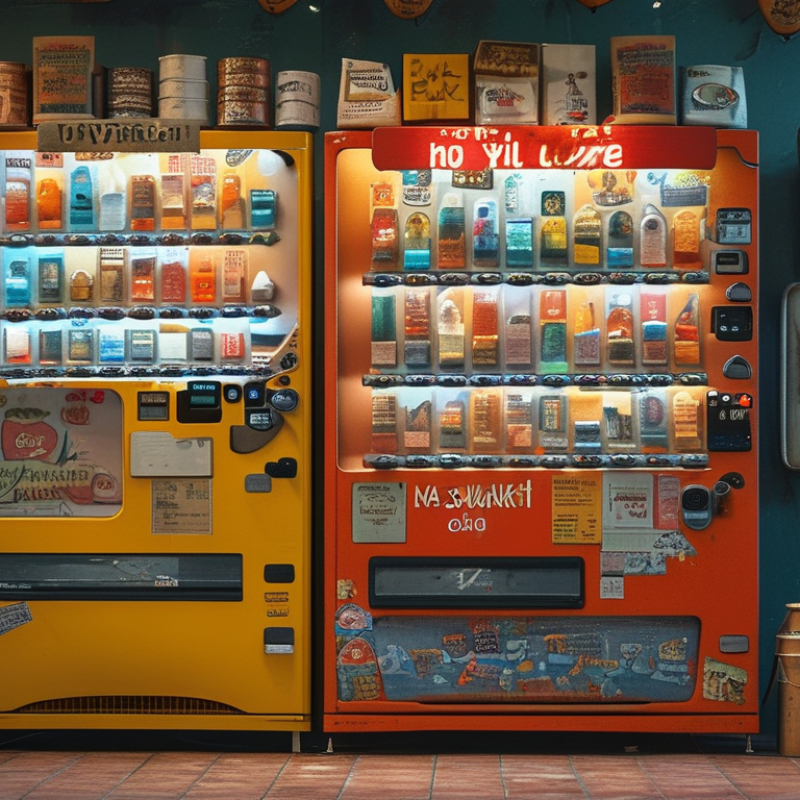
Understanding the Vending Machine Market: Trends and Opportunities
The vending machine market has seen significant growth in recent years. According to a report by IBISWorld, the industry is expected to reach $25 billion by 2026. This growth reflects changing consumer habits and the increasing demand for convenience. Today, consumers prefer quick access to snacks and beverages, especially in urban areas. This trend highlights the importance of location in a vending machine business. A well-placed machine can see high foot traffic and sales.
Technology is also playing a crucial role. Modern vending machines come equipped with smart features, like cashless payment systems. According to Statista, cashless transactions in vending machines will hit 40% by 2025. This shift presents an opportunity for business owners to cater to tech-savvy consumers. However, it may require initial investment and ongoing maintenance.
Understanding market dynamics is essential. The rise of health-conscious consumers pushes operators to diversify offerings. Healthy snacks are becoming increasingly popular. Yet, this presents a challenge; not all locations may support these products. Operators need to evaluate consumer preferences carefully. They must also be prepared to adapt to changing trends within the market.
How to Start a Successful Vending Machine Business? - Understanding the Vending Machine Market: Trends and Opportunities
| Market Trend | Description | Opportunities | Challenges |
|---|---|---|---|
| Healthy Snacks | Increasing demand for healthier options in vending machines. | Potential to capture a health-conscious market segment. | Sourcing quality ingredients and products can be challenging. |
| Cashless Payments | Rise in cashless transaction methods using mobile payments and credit cards. | Investing in modern vending machines that accept various payment methods. | Upfront costs for upgrading machines and transaction fees. |
| Smart Vending Machines | Technological advancements leading to smart vending options, including AI and IoT. | Enhanced customer experience and operational efficiency. | Higher initial investment and need for tech support. |
| Customization | Consumers prefer personalized product selections in vending machines. | Opportunity to offer tailored options based on customer preferences. | Inventory management complexity increases with wider range of products. |
| Sustainability | Growing consumer demand for eco-friendly products and practices. | Potential to market eco-conscious products and packaging. | Higher costs for sustainable products and potential supply chain issues. |
Related Posts
-
2025 Top Vending Machine Trends Every Entrepreneur Should Know
-
Maximizing Convenience: The Benefits of Modern Vending Machine Innovations
-
How to Start a Successful Vending Machine Business in 2025
-
Top 10 Snack Machines for Every Office Break Room Needs
-
Exploring the Best Vending Options for 2026 Top Trends in Snacks and Drinks?
-

12 Innovative Drink Vending Machine Concepts Revolutionizing Beverage Access